
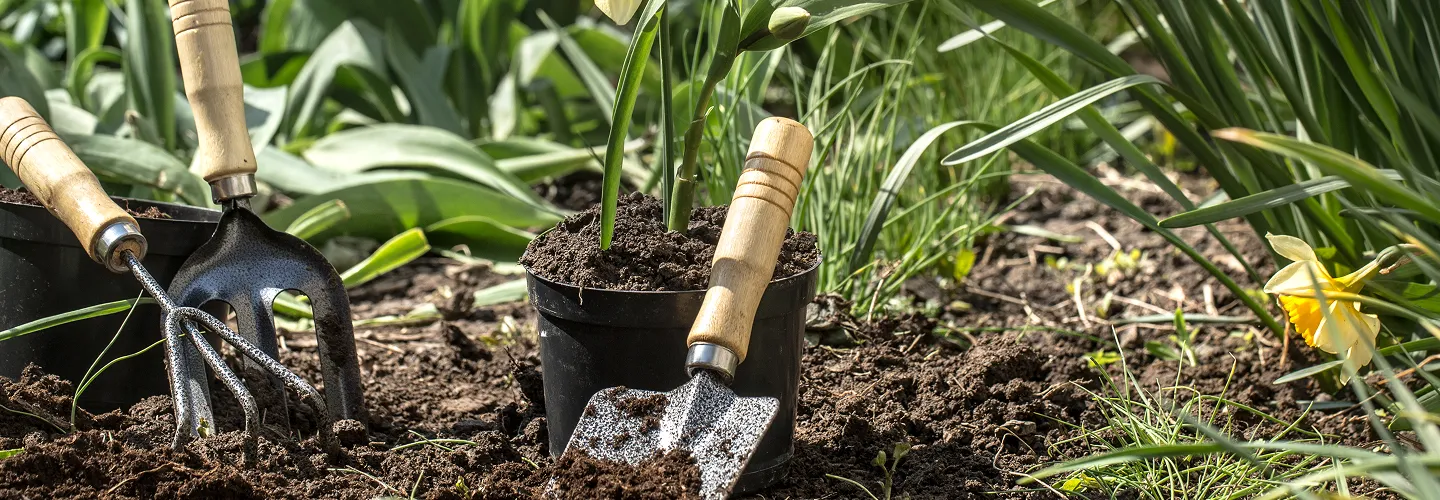
Pflugerville Flower Planting Services
Choose our Flower Planting services for expert design, premium plants, and lasting color that transforms your yard into a beautiful, welcoming retreat all season long.
Get a Free QuoteOur Pflugerville Landscaping & Yard Care Services
When to Schedule Flower Planting in Pflugerville, Texas – Seasonal Guide
Flower planting in Pflugerville, Texas, is best scheduled with careful attention to the region’s unique climate and landscape. The optimal planting windows typically fall in early spring (late February to early April) and again in early fall (late September to October), when temperatures are moderate and rainfall is more predictable. Pflugerville’s proximity to the Blackland Prairie means soils are rich but can become compacted, so timing your planting to coincide with natural soil moisture is key. Neighborhoods like Falcon Pointe and Highland Park, with their mix of sun and shade, require special consideration for plant selection and placement.
Local environmental factors such as the last frost date—usually around mid-March—should guide your planting schedule to avoid cold damage. Summer drought risk is significant, especially in areas near Lake Pflugerville or along the Gilleland Creek corridor, where humidity and shade coverage can vary widely. It’s also important to check for any municipal watering restrictions, which are often updated on the city’s official website, to ensure your new plantings receive adequate care.
Local Factors to Consider for Flower Planting in Pflugerville
- Proximity to large trees and resulting shade coverage
- Soil type and drainage, especially in Blackhawk and Settlers Ridge
- Average precipitation and risk of summer drought
- Terrain variations, such as sloped yards or low-lying areas
- Local frost dates and seasonal temperature swings
- Municipal watering schedules and restrictions
Benefits of Flower Planting in Pflugerville
Enhanced Curb Appeal
Increased Property Value
Seasonal Color Variety
Attracts Pollinators
Low Maintenance Options
Expert Local Plant Selection
Pflugerville Flower Planting Types

Perennial Flower Beds
-
Annual Flower Displays
-
Native Texas Wildflowers
-
Pollinator-Friendly Gardens
-
Shade-Loving Flower Arrangements
-
Drought-Tolerant Plantings
-
Seasonal Color Rotations
Our Flower Planting Process
Site Evaluation
Soil Preparation
Plant Selection
Careful Planting
Watering and Mulching
Why Choose Pflugerville Landscape Services
Pflugerville Homeowners Trust Us
-
Expert Lawn Maintenance
-
Reliable Scheduling
-
Competitive Pricing
-
Professional Team
-
Satisfaction Guarantee
-
Personalized Service
-
Locally Owned and Operated
Pflugerville’s Blackland Prairie Soils: Site Preparation and Amendment for Flower Planting
Flower planting in Pflugerville requires careful consideration of the city’s predominant Houston Black clay soils, which are classified as Vertisols and Mollisols according to the USDA Web Soil Survey. These soils are characterized by high clay content, pH levels typically ranging from 7.5 to 8.2, and poor drainage, especially after heavy rainfall. To ensure successful establishment of flower beds, it is recommended to incorporate 2-3 inches of compost and organic matter, tilled to a depth of 6-8 inches. Soil testing through Texas A&M AgriLife Extension is advised (typical cost: $15-25) to determine nutrient needs and pH adjustments. For pH above 7.5, elemental sulfur may be applied at rates of 2-4 lbs per 100 sq ft. Mulching with 2-3 inches of organic material helps retain moisture and suppress weeds. Coordination with municipal infrastructure is essential when amending soils near public rights-of-way.
Pflugerville Public Works Department
15500 Sun Light Near Way #B, Pflugerville, TX 78660
Phone: (512) 990-6400
Official Website: Pflugerville Public Works Department
Optimal Flower Planting Windows and Climate Considerations in Pflugerville
Pflugerville is located in USDA Hardiness Zone 8b, with average annual minimum temperatures of 15-20°F. The city’s growing season typically extends from mid-March through early November. For most annual and perennial flowers, optimal planting occurs between March 15 and May 15, when soil temperatures reach 60°F. Fall planting of hardy perennials is best scheduled from September 15 to October 31, allowing root establishment before winter. Avoid planting during peak summer (June-August), as high temperatures and drought stress can impede establishment. Monitor local weather forecasts through the National Weather Service Austin/San Antonio Office for frost advisories and rainfall events. Recommended timing guidelines include:
- Spring planting: March 15 – May 15 (soil temp 60°F+)
- Fall planting: September 15 – October 31
- Avoid: June-August (heat/drought stress)
- Monitor: NWS advisories for late frost or heavy rain
Native and Adaptive Flower Species Selection for Pflugerville Landscapes
Selecting flower species suited to Pflugerville’s climate and soil conditions is essential for sustainable, low-maintenance plantings. Native and adaptive species are preferred due to their drought tolerance and resilience to local pests. For full sun locations, recommended species include Black-eyed Susan (Rudbeckia hirta), purple coneflower (Echinacea purpurea), and autumn sage (Salvia greggii). Partial shade areas benefit from Turk’s cap (Malvaviscus arboreus), columbine (Aquilegia canadensis), and heartleaf skullcap (Scutellaria ovata). Deer-resistant options such as Russian sage (Perovskia atriplicifolia) and lantana (Lantana camara) are suitable for open areas. Plant spacing should follow guidelines of 12-18 inches for annuals and 18-24 inches for perennials to ensure healthy growth and airflow. For additional guidance, consult Texas A&M AgriLife Extension plant selection resources.
Environmental Compliance and Stormwater Protection in Pflugerville Flower Planting
All flower planting activities in Pflugerville must comply with local and state environmental regulations to protect water quality and prevent soil erosion. The city’s MS4 permit, administered under the Clean Water Act and enforced by the Texas Commission on Environmental Quality (TCEQ), prohibits the discharge of soil, mulch, or plant debris into storm drains. Maintain a minimum 25-foot buffer from wetlands and drainage channels, and avoid fertilizer or pesticide application within 50 feet of water bodies. Mulch and erosion control blankets are required on slopes exceeding 5%. All green waste generated during planting must be collected and disposed of according to city guidelines. For further information on environmental compliance and stormwater management:
Pflugerville Environmental Services Division
100 E. Main Street, Pflugerville, TX 78660
Phone: (512) 990-6340
Official Website: Pflugerville Environmental Services Division
Texas Commission on Environmental Quality (TCEQ)
12100 Park 35 Circle, Austin, TX 78753
Phone: (512) 239-1000
Official Website: Texas Commission on Environmental Quality
Municipal Coordination: Permits, Hours, and Safety Standards for Pflugerville Flower Planting
Flower planting projects in Pflugerville must adhere to municipal ordinances regarding work hours, permitting, and safety. Equipment operation is permitted:
- Monday-Friday: 7:00 AM – 7:00 PM
- Saturday: 8:00 AM – 6:00 PM
- Sunday and holidays: Prohibited Permits are required for planting in public rights-of-way, medians, or city-maintained areas, with application fees typically ranging from $25 to $75 and a review period of 5-10 business days. All personnel must use ANSI Z87.1 safety glasses, hearing protection for equipment exceeding 85 dB, and steel-toed boots. Maintain a 15-foot clearance from overhead utilities and a 25-foot setback from intersections. For permit applications and regulatory guidance:
Pflugerville Building Inspections and Permits
100 E. Main Street, Pflugerville, TX 78660
Phone: (512) 990-6300
Official Website: Pflugerville Building Inspections and Permits
What Neighborhoods Do We Serve Throughout Pflugerville, TX?
- Falcon Pointe: Features newer developments with compacted fill soils and moderate drainage; large lots allow for diverse flower bed layouts but may require soil amendment for optimal growth.
- Highland Park: Characterized by smaller lots and mature landscaping; heavy clay soils and established trees create shade and root competition, influencing species selection and planting density.
- Blackhawk: Known for expansive properties and proximity to golf courses; irrigation systems are common, but periodic flooding may affect low-lying areas, requiring careful drainage planning.
- Villages of Hidden Lake: Located near Lake Pflugerville, this area has higher water tables and potential for seasonal wetness; buffer zones are enforced near the lake and drainage channels.
- Springbrook: Features older homes with established gardens; soil compaction and urban fill are common, necessitating deep tilling and organic matter incorporation for successful flower planting.
- Meadows of Heatherwilde: Presents a mix of sun and shade conditions, with HOA guidelines influencing plant height and bed placement; compliance with community standards is essential.
- Avalon: A newer subdivision with well-drained soils and open exposures; wind exposure may require staking of taller flower species and use of mulch to retain soil moisture.