
Pflugerville Lawn Mowing Services
Choose our lawn mowing service for reliable, professional results that keep your yard looking its best all season long. We combine local expertise, attention to detail, and a commitment to customer satisfaction to ensure your lawn stands out in the neighborhood.
Get a Free QuoteOur Pflugerville Landscaping & Yard Care Services
When to Schedule Lawn Mowing in Pflugerville, Texas – Seasonal Guide
In Pflugerville, Texas, the timing of your lawn mowing routine is crucial for maintaining a healthy, vibrant yard. The region’s warm climate, with hot summers and mild winters, means that grass growth patterns differ from other parts of the country. Typically, the mowing season begins in early March, after the last frost date, and continues through late October. Neighborhoods like Falcon Pointe and Highland Park, with their mix of sun and shade, often see rapid grass growth in spring and early summer, especially after seasonal rains.
Local environmental factors play a significant role in determining the best mowing schedule. Pflugerville’s clay-rich soils retain moisture but can become compacted, affecting root health. Areas near Lake Pflugerville may experience higher humidity, while neighborhoods with mature oak and pecan trees, such as Settlers Ridge, have increased shade coverage that slows grass growth. It’s also important to consider municipal watering restrictions and drought risk, which can impact how often your lawn needs attention. For more information on local regulations and best practices, visit the official city resource.
Local Factors to Consider for Lawn Mowing in Pflugerville
- Tree density and shade coverage (e.g., Settlers Ridge, Blackhawk)
- Soil type and drainage, especially in clay-heavy areas
- Seasonal precipitation and drought risk
- Proximity to water features like Lake Pflugerville
- Municipal watering and mowing restrictions
- Terrain variations, including slopes and low-lying spots
Benefits of Lawn Mowing in Pflugerville
Consistent Curb Appeal
Healthier Grass Growth
Time-Saving Service
Professional Equipment
Weed and Pest Reduction
Expert Local Knowledge
Pflugerville Lawn Mowing Types

Standard Lawn Mowing
-
Mulching Mower Service
-
Bagging Grass Clippings
-
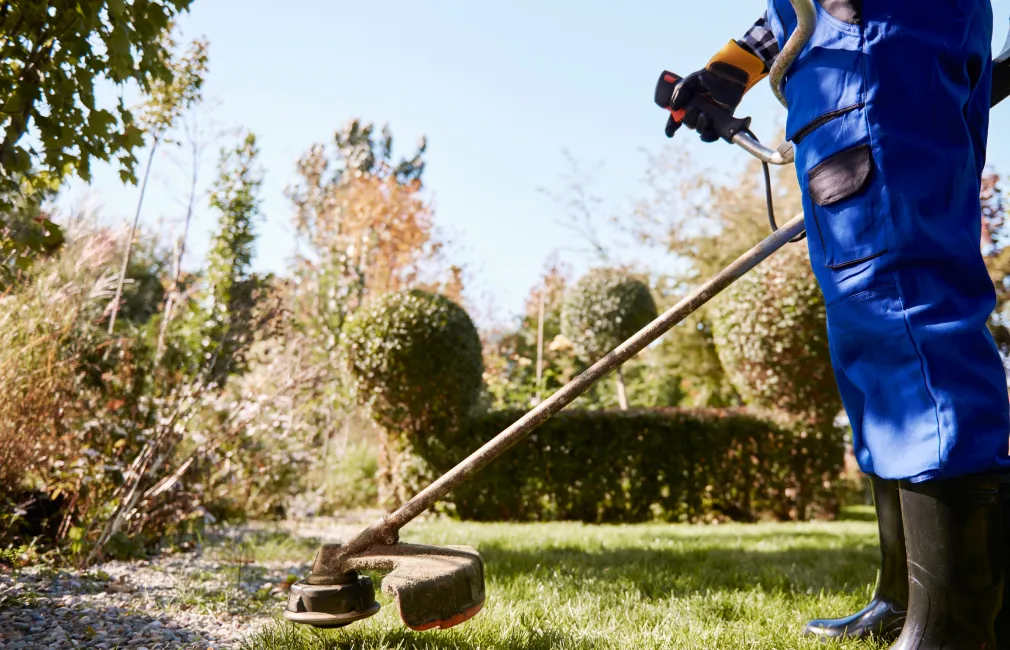
Edging and Trimming
-
Seasonal Lawn Scalping
-
Commercial Property Mowing
-
Eco-Friendly Electric Mowing
Our Lawn Mowing Process
Site Evaluation
Lawn Preparation
Mowing Execution
Edging and Trimming
Cleanup
Why Choose Pflugerville Landscape Services
Pflugerville Homeowners Trust Us
-
Expert Lawn Maintenance
-
Reliable Scheduling
-
Competitive Pricing
-
Professional Team
-
Satisfaction Guarantee
-
Personalized Service
-
Locally Owned and Operated
Pflugerville’s Blackland Prairie Soils: Mowing Practices for Expansive Clays
Lawn mowing in Pflugerville requires careful consideration of the region’s predominant Houston Black and Burleson clay soils, as identified by the USDA Web Soil Survey. These Vertisols are characterized by high clay content, pH levels typically ranging from 7.5 to 8.2, and poor drainage, leading to seasonal water retention and compaction. For optimal turf health, mowing heights should be maintained at 2.5-3 inches for St. Augustinegrass and 1.5-2 inches for Bermuda grass, with blade sharpening every 20-25 hours of use. Core aeration to a depth of 2-3 inches is recommended every 2-3 years to alleviate compaction. Soil testing through Texas A&M AgriLife Extension (cost: $15-25) is advised before applying amendments such as lime or sulfur. Avoid mowing when soils are saturated to prevent rutting and compaction.
Equipment Operation Hours and Noise Ordinance Compliance in Pflugerville
Pflugerville enforces specific noise ordinances for lawn equipment operation to minimize community disturbance. Permitted hours for powered lawn mowing equipment are:
- Monday-Friday: 7:00 AM - 7:00 PM
- Saturday: 8:00 AM - 6:00 PM
- Sunday and holidays: Prohibited Equipment must not exceed 85 decibels at the property line, and mufflers must be maintained in working condition. Operators are required to wear ANSI Z87.1 safety glasses and hearing protection for noise above 85 dB. When mowing near public rights-of-way, maintain a 15-foot clearance from pedestrians and traffic. For questions regarding compliance or to report violations, contact:
Pflugerville Public Works Department
15500 Sun Light Near Way #B, Pflugerville, TX 78660
Phone: (512) 990-6400
Official Website: Pflugerville Public Works Department
Yard Waste Collection and Clipping Disposal Through Pflugerville’s Municipal Program
Proper disposal of grass clippings and yard waste is regulated under Pflugerville’s municipal collection program. Weekly curbside pickup occurs every Thursday from April through November. Accepted materials include grass clippings, leaves, and brush under 4 feet in length. Residents must use biodegradable paper bags or reusable bins (32-gallon maximum); plastic bags and branches over 4 inches in diameter are prohibited. Clippings must not be deposited in storm drains, as required by the city’s MS4 permit under the Clean Water Act. For additional guidance on collection schedules and accepted materials, contact:
Pflugerville Environmental Services Division
100 E. Main Street, Pflugerville, TX 78660
Phone: (512) 990-6400
Official Website: Pflugerville Environmental Services Division
Stormwater Protection and Buffer Requirements for Lawn Mowing Near Pflugerville Waterways
Lawn mowing adjacent to Pflugerville’s creeks, wetlands, and retention ponds must comply with local and federal stormwater regulations. A 25-foot no-disturbance buffer is required from the edge of all designated wetlands and water bodies to prevent nutrient runoff and sedimentation. The Texas Commission on Environmental Quality (TCEQ) enforces MS4 stormwater permit requirements, prohibiting the discharge of clippings or chemicals into storm drains. Fertilizer and pesticide applications are restricted within 50 feet of water bodies. For properties bordering Gilleland Creek or Lake Pflugerville, additional erosion control measures may be mandated. Consult the Pflugerville Pollution Prevention Program for site-specific requirements.
Seasonal Mowing Timing and Weather Considerations in Pflugerville’s Climate Zone 8b
Pflugerville is located in USDA Hardiness Zone 8b, with average annual minimum temperatures of 15-20°F and a growing season extending from mid-March to late November. Optimal mowing frequency is weekly from April through October, with biweekly mowing recommended during periods of drought or dormancy. Avoid mowing during peak heat (June-August) when turf is stressed, and resume regular mowing after significant rainfall events. Monitor local weather forecasts through the National Weather Service Austin/San Antonio Office to plan mowing around rainfall and extreme heat advisories. For cool-season overseeding, target September 15 to October 31 when soil temperatures are 65-75°F. Adjust mowing height upward during summer to reduce heat stress on turf.
What Neighborhoods Do We Serve Throughout Pflugerville, TX?
- Falcon Pointe: Features expansive clay soils with moderate drainage and large lot sizes, requiring careful mowing to prevent soil compaction and rutting, especially after rainfall.
- Highland Park: Newer development with compacted fill soils and smaller lots; HOA guidelines may specify mowing height and frequency, and access can be limited by narrow streets.
- Villages of Hidden Lake: Proximity to Lake Pflugerville and wetland buffers necessitates strict compliance with 25-foot no-mow zones and stormwater protection measures.
- Downtown Pflugerville: Older properties with mature trees and variable soil conditions; increased leaf litter and shade require adjusted mowing schedules and equipment.
- Blackhawk: Large residential lots with heavy clay soils and moderate slopes; mowing after heavy rain should be avoided to prevent turf damage and soil displacement.
- Springbrook: Dense development with mixed soil types and frequent pedestrian traffic; safety protocols and noise ordinance compliance are especially important.
- Meadows of Heatherwilde: Located near drainage channels and flood-prone areas, requiring attention to buffer zones and proper clipping disposal to protect water quality.