
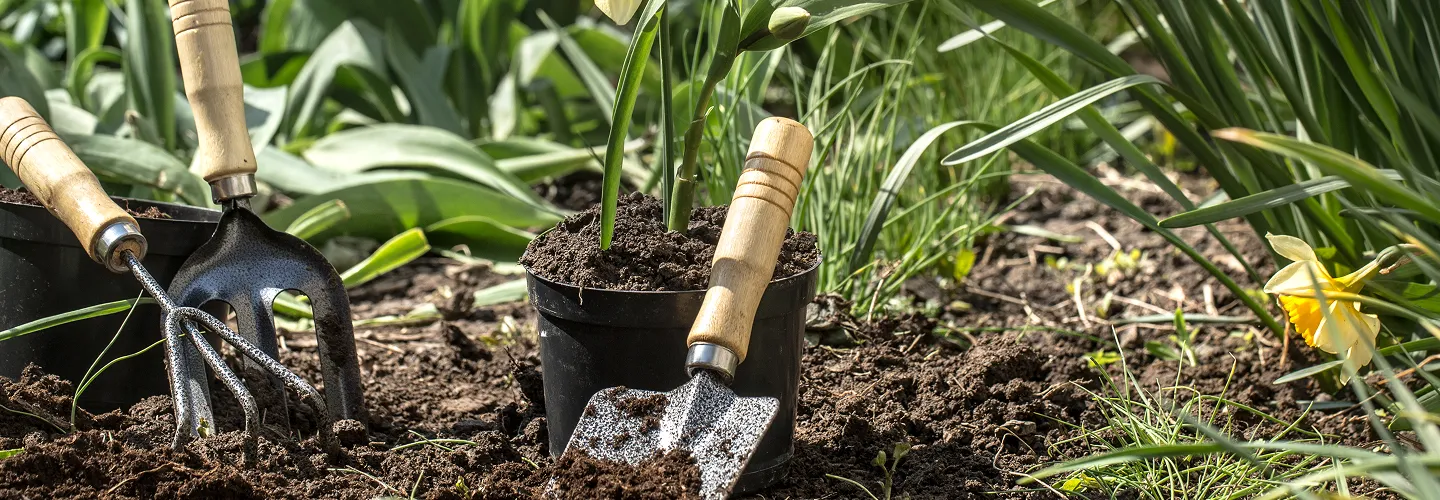
Pflugerville Mulching Services
Choose our mulching services for healthier soil, improved moisture retention, and a beautiful, weed-free landscape—trusted by Pflugerville homeowners for reliable results and lasting curb appeal.
Get a Free QuoteOur Pflugerville Landscaping & Yard Care Services
When to Schedule Mulching in Pflugerville, Texas – Seasonal Guide
In Pflugerville, Texas, the best times to schedule mulching are typically in early spring and late fall. These periods align with the region’s unique climate, where mild winters and hot, dry summers can impact soil moisture and plant health. Applying mulch in spring helps retain soil moisture before the summer heat arrives, while a fall application insulates roots against occasional winter frosts. Neighborhoods like Falcon Pointe and Highland Park, with their mix of mature trees and open lawns, benefit from tailored mulching schedules that account for both sun exposure and shade coverage.
Local environmental factors such as Pflugerville’s clay-heavy soils, variable rainfall, and the risk of summer droughts play a significant role in determining the optimal mulching window. Homeowners near Lake Pflugerville or along the Blackhawk golf course should also consider municipal guidelines and HOA restrictions, which can affect when and how much mulch can be applied. For more information on local regulations, visit the official city resource.
Local Factors to Consider for Mulching in Pflugerville
- Tree density and shade coverage in your yard
- Soil type (clay, loam, or sandy soils)
- Seasonal precipitation patterns and drought risk
- Frost dates and temperature fluctuations
- Terrain slope and drainage characteristics
- Municipal or HOA restrictions on landscaping practices
Benefits of Mulching in Pflugerville
Enhanced Soil Moisture Retention
Weed Growth Suppression
Improved Curb Appeal
Temperature Regulation for Plant Roots
Reduced Soil Erosion
Nutrient-Rich Soil Enrichment
Pflugerville Mulching Types

Organic Mulch
-
Inorganic Mulch
-
Wood Chip Mulch
-
Pine Bark Mulch
-
Rubber Mulch
-
Compost Mulch
-
Gravel Mulch
Our Mulching Process
Site Evaluation
Soil Preparation
Mulch Selection
Mulch Application
Final Inspection
Why Choose Pflugerville Landscape Services
Pflugerville Homeowners Trust Us
-
Expert Lawn Maintenance
-
Reliable Scheduling
-
Competitive Pricing
-
Professional Team
-
Satisfaction Guarantee
-
Personalized Service
-
Locally Owned and Operated
Mulching Practices for Pflugerville’s Expansive Clay Soils and Drainage Patterns
Mulching in Pflugerville requires careful consideration of the city’s predominant Houston Black clay soils, which are characterized by high shrink-swell capacity, slow drainage, and a pH typically ranging from 7.5 to 8.2. These soils can become compacted in developed areas, limiting root growth and water infiltration. For optimal results, apply mulch at a depth of 2-3 inches, ensuring it is kept 3 inches away from tree trunks and building foundations to prevent moisture accumulation and pest issues. Incorporate composted organic matter to improve soil structure and drainage. Soil testing is recommended every 2-3 years, with services available through the Texas A&M AgriLife Extension. For detailed soil mapping and site-specific recommendations, consult the USDA Web Soil Survey. Mulching should not obstruct stormwater flow or cover utility access points, in accordance with city code.
Coordinating Mulch Disposal and Yard Waste Collection in Pflugerville
Proper disposal of excess mulch and yard waste is regulated by Pflugerville’s municipal programs. Weekly curbside collection is available every Thursday from April through November. Accepted materials include leaves, grass clippings, and brush under 4 feet in length, placed in biodegradable bags or reusable bins (32-gallon maximum). Plastic bags and branches over 4 inches in diameter are prohibited. Residents must ensure that mulch piles do not block sidewalks or storm drains, as this can result in code violations. For large quantities, the city provides drop-off events and guidance on composting. Coordination with the Department of Public Works is essential for compliance and to prevent stormwater contamination.
Pflugerville Public Works Department
15500 Sun Light Near Way #B, Pflugerville, TX 78660
Phone: (512) 990-6400
Official Website: Pflugerville Public Works Department
Environmental Compliance: Mulching Near Pflugerville’s Waterways and Wetlands
Mulching activities adjacent to Gilleland Creek, Wilbarger Creek, and city wetlands must comply with local and federal environmental regulations. Maintain a 25-foot no-disturbance buffer from wetland edges and a 50-foot setback from perennial streams to protect water quality. The Clean Water Act and Pflugerville’s MS4 permit prohibit yard waste and mulch from entering storm drains or water bodies. The Texas Commission on Environmental Quality enforces these standards, and violations may result in fines. Use only untreated, organic mulch in buffer zones and avoid dyed or chemically treated materials. For additional guidance, refer to the Pflugerville Pollution Prevention Program.
Pflugerville Pollution Prevention Program
100 E. Main Street, Pflugerville, TX 78660
Phone: (512) 990-6400
Official Website: Pflugerville Pollution Prevention Program
Texas Commission on Environmental Quality
12100 Park 35 Circle, Austin, TX 78753
Phone: (512) 239-1000
Official Website: Texas Commission on Environmental Quality
Seasonal Mulching Timing and Weather Considerations for Pflugerville
Pflugerville is located in USDA Hardiness Zone 8b, with average annual minimum temperatures of 15-20°F and hot, dry summers. The optimal window for mulching is late February through early April, before soil temperatures exceed 65°F and summer drought stress begins. Avoid mulching during June-August, when high temperatures and low rainfall can cause rapid mulch decomposition and increase fire risk. Monitor local weather forecasts through the National Weather Service Austin/San Antonio Office to avoid application before heavy rain events, which can lead to mulch washout. Replenish mulch annually in early spring, and inspect for compaction or fungal growth after major storms. For plant-specific timing, consult Texas A&M AgriLife Extension resources.
Mulching Safety Protocols and Equipment Standards in Pflugerville
All mulching operations in Pflugerville must adhere to city safety ordinances and equipment standards. Equipment operation is permitted:
- Monday-Friday: 7:00 AM - 7:00 PM
- Saturday: 8:00 AM - 6:00 PM
- Sunday and holidays: Prohibited Operators must use commercial-grade mulchers with dust suppression features and maintain a 15-foot clearance from power lines and public rights-of-way. Personal protective equipment (PPE) is required, including:
- ANSI Z87.1 safety glasses
- Hearing protection for noise above 85 dB
- Steel-toed boots with non-slip soles
- Cut-resistant gloves for handling woody mulch All personnel must be trained in safe equipment operation and emergency procedures. For additional safety guidance, contact the city’s Environmental Services Division.
Pflugerville Environmental Services Division
100 E. Main Street, Pflugerville, TX 78660
Phone: (512) 990-6400
Official Website: Pflugerville Environmental Services Division
What Neighborhoods Do We Serve Throughout Pflugerville, TX?
- Falcon Pointe: Features expansive lots with Houston Black clay soils and moderate drainage; mulching helps manage runoff and supports young tree establishment in newer developments.
- Highland Park: Characterized by compacted soils and smaller lot sizes; requires careful mulch placement to avoid blocking stormwater inlets and to comply with HOA landscaping standards.
- Blackhawk: Large properties with mature landscaping and proximity to Wilbarger Creek; mulching must respect buffer zones and address periodic flooding concerns.
- Heatherwilde: Older neighborhood with established trees and denser canopy; mulch is essential for moisture retention and weed suppression, but must be kept clear of trunk bases to prevent rot.
- Villages of Hidden Lake: Located near Lake Pflugerville, with sandy loam overlays and higher water table; mulching practices must prevent leaching and protect adjacent aquatic habitats.
- Avalon: Newer subdivision with engineered drainage systems; mulch application must not impede swale function or cover utility access points.
- Springbrook: Features mixed soil types and variable lot elevations; mulching strategies should address slope erosion and comply with city setback requirements.