
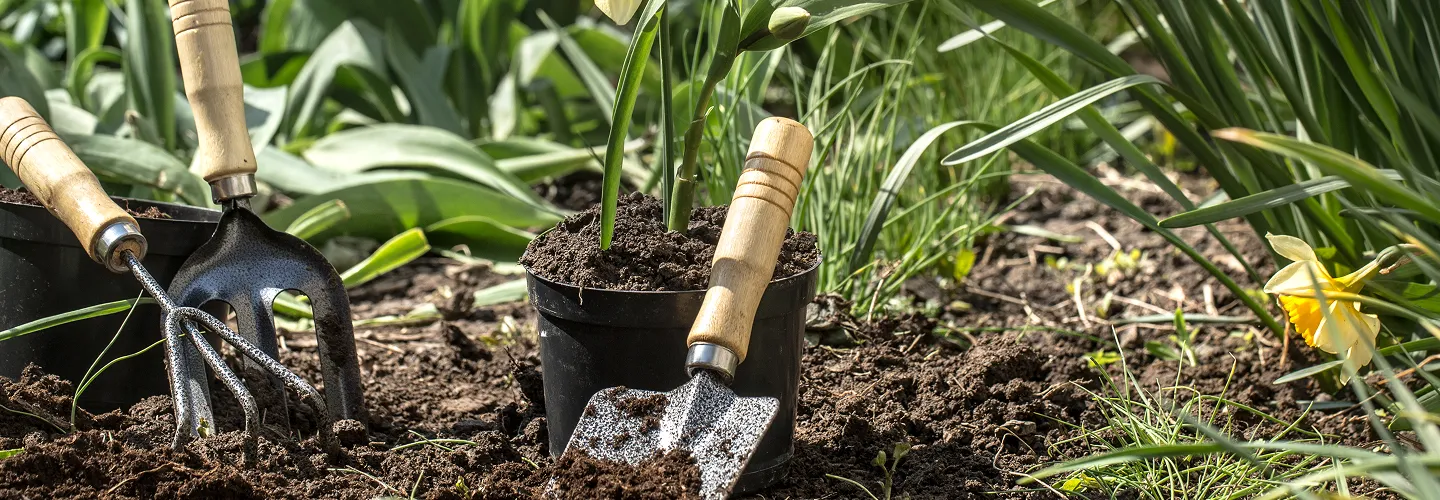
Pflugerville Plant Removal Services
Choose our expert plant removal team for safe, thorough, and eco-friendly solutions that restore your landscape’s beauty and health—trusted by Pflugerville homeowners for reliable results every time.
Get a Free QuoteOur Pflugerville Landscaping & Yard Care Services
When to Schedule Plant Removal in Pflugerville, Texas – Seasonal Guide
In Pflugerville, Texas, the best time to schedule plant removal is typically during late winter through early spring, before new growth begins and while the ground is still workable. Pflugerville’s climate features hot, humid summers and mild winters, with the last frost usually occurring in early March. Removing unwanted plants before the growing season helps prevent regrowth and minimizes disruption to your landscape. Neighborhoods like Falcon Pointe and Highland Park, with their mix of mature trees and newer plantings, benefit from careful timing to protect both established and emerging vegetation.
Local environmental factors play a significant role in determining the optimal removal window. Pflugerville’s clay-heavy soils retain moisture, making plant extraction easier after winter rains but before the soil dries out in summer. Areas near Lake Pflugerville or along Gilleland Creek may experience higher humidity and shade coverage, which can affect plant health and removal difficulty. Additionally, municipal guidelines and seasonal drought risks should be considered—always check local resources for up-to-date information on restrictions and best practices.
Local Factors to Consider for Plant Removal in Pflugerville
- Tree density and proximity to structures
- Soil type and moisture retention
- Seasonal precipitation and drought risk
- Shade coverage from mature trees
- Terrain slope and accessibility
- Municipal restrictions or permit requirements
Benefits of Plant Removal in Pflugerville
Improved Curb Appeal
Healthier Landscapes
Enhanced Property Value
Efficient Weed Control
Customized Landscaping Solutions
Professional and Timely Service
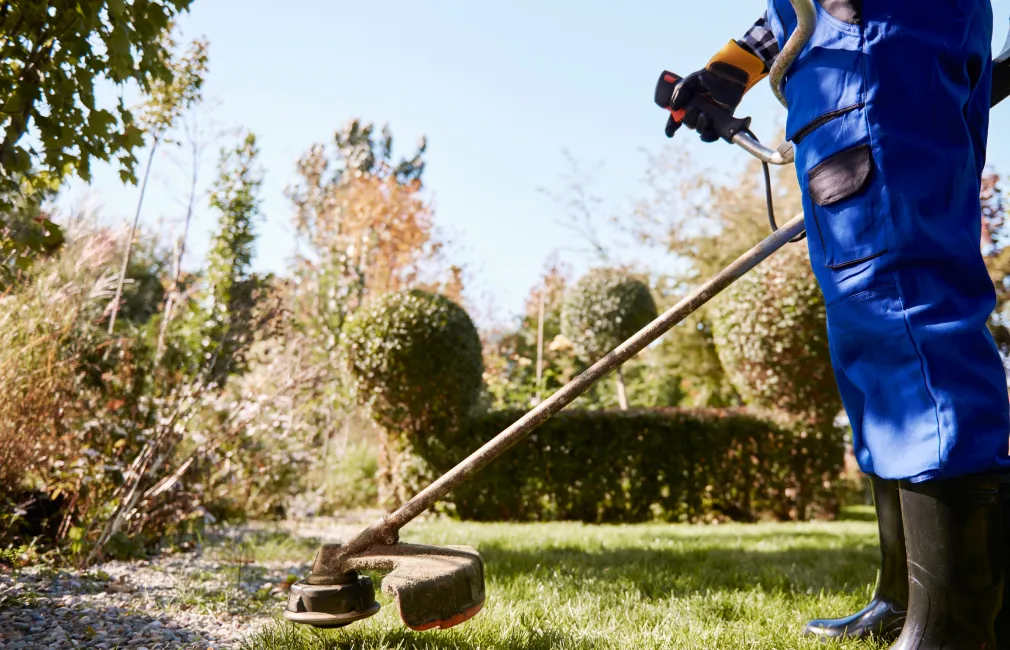
Pflugerville Plant Removal Types

Tree Removal
-
Shrub Removal
-
Stump Grinding
-
Invasive Species Removal
-
Root System Extraction
-
Overgrown Vegetation Clearing
-
Flower Bed Cleanout
Our Plant Removal Process
Site Evaluation
Preparation and Safety Measures
Plant Extraction
Debris Removal
Site Restoration
Why Choose Pflugerville Landscape Services
Pflugerville Homeowners Trust Us
-
Expert Lawn Maintenance
-
Reliable Scheduling
-
Competitive Pricing
-
Professional Team
-
Satisfaction Guarantee
-
Personalized Service
-
Locally Owned and Operated
Pflugerville’s Plant Removal Ordinances and Permit Requirements
Plant removal activities in Pflugerville are governed by specific municipal ordinances to ensure public safety, environmental protection, and neighborhood standards. For removal of trees over 6 inches in diameter at breast height (DBH), a permit is required, with an application fee of $50 and a standard review period of 10 business days. Protected species, including oaks and elms, and any vegetation within 50 feet of wetlands or drainage channels, are subject to additional review. Equipment operation is permitted:
- Monday-Friday: 7:00 AM - 7:00 PM
- Saturday: 8:00 AM - 6:00 PM
- Sunday and holidays: Prohibited All debris must be disposed of according to city guidelines, prohibiting dumping in storm drains or public rights-of-way. For detailed permit procedures and ordinance compliance, coordinate with the city’s permitting office.
Pflugerville Building Inspections and Permits
100 E. Main Street, Pflugerville, TX 78660
Phone: (512) 990-6300
Official Website: Pflugerville Building Inspections and Permits
Soil Series and Site Conditions Affecting Plant Removal in Pflugerville
Pflugerville’s landscape is dominated by Houston Black clay and Burleson clay soils, both classified as Vertisols with high shrink-swell capacity and poor drainage. These soils typically have a pH range of 7.5-8.2, requiring careful planning for plant removal to prevent soil compaction and erosion. Removal projects should avoid working when soils are saturated, as heavy equipment can cause rutting and long-term compaction. For best results:
- Schedule removal when soil moisture is moderate (not after heavy rain)
- Use tracked equipment to distribute weight
- Restore disturbed areas with 2-3 inches of compost tilled to 6-inch depth Soil testing is recommended prior to replanting; tests are available through Texas A&M AgriLife Extension. For detailed soil mapping, consult the USDA Web Soil Survey.
Environmental Compliance: Stormwater, Wetlands, and Buffer Zones in Pflugerville
Plant removal near Pflugerville’s creeks, wetlands, and stormwater channels must comply with local and federal environmental regulations. The city enforces a 25-foot no-disturbance buffer from delineated wetlands and drainageways. Under the Clean Water Act and Texas Water Code, it is prohibited to deposit plant debris or soil in storm drains or waterways. Pflugerville’s MS4 permit, administered by the Texas Commission on Environmental Quality, requires:
- No dumping of yard waste in storm drains
- Silt fencing for projects within 50 feet of water bodies
- Immediate stabilization of exposed soil with mulch or cover crops For guidance on buffer zones and stormwater compliance, contact the city’s environmental division.
Pflugerville Environmental Services Division
100 E. Main Street, Pflugerville, TX 78660
Phone: (512) 990-6400
Official Website: Pflugerville Environmental Services Division
Seasonal Timing and Weather Considerations for Plant Removal in Pflugerville
Pflugerville is located in USDA Hardiness Zone 8b, with average annual minimum temperatures of 15-20°F. Optimal timing for plant removal is late fall (November-December) or early spring (February-March), when most vegetation is dormant and soil conditions are less prone to compaction. Avoid removal during June-August, when high temperatures and drought stress can increase erosion risk and complicate site restoration. Monitor local weather forecasts through the National Weather Service Austin/San Antonio Office to avoid scheduling during heavy rain events. Key timing guidelines:
- Dormant season removal: November 15 - March 15
- Avoid wet soils after rainfall >1 inch in 24 hours
- Schedule restoration seeding before April 1 or after September 15
What Neighborhoods Do We Serve Throughout Pflugerville, TX?
- Falcon Pointe: Characterized by expansive lots and mature landscaping, with heavy clay soils and moderate drainage challenges that require careful debris management and erosion control during plant removal.
- Highland Park: Features newer developments with compacted fill soils and smaller lot sizes, necessitating precise equipment operation and adherence to HOA landscaping standards.
- Villages of Hidden Lake: Located near Lake Pflugerville, this area has stricter buffer requirements due to proximity to water bodies and floodplain zones, with periodic high water tables affecting removal timing.
- Downtown Pflugerville: Contains historic properties and narrow rights-of-way, requiring coordination with city officials for traffic control and compliance with preservation guidelines during removal activities.
- Blackhawk: Large residential subdivisions with a mix of native prairie and ornamental plantings, where soil compaction and stormwater runoff are key considerations for removal and site restoration.
- Springbrook: Noted for its mature tree canopy and proximity to drainage corridors, necessitating careful adherence to wetland buffer ordinances and specialized debris containment.
- Meadows of Heatherwilde: Features older infrastructure and variable soil conditions, with frequent utility easements requiring utility location and safe equipment access during plant removal.